
EXPERIENCES / KAKADU
Litchfield Explorer
Overview
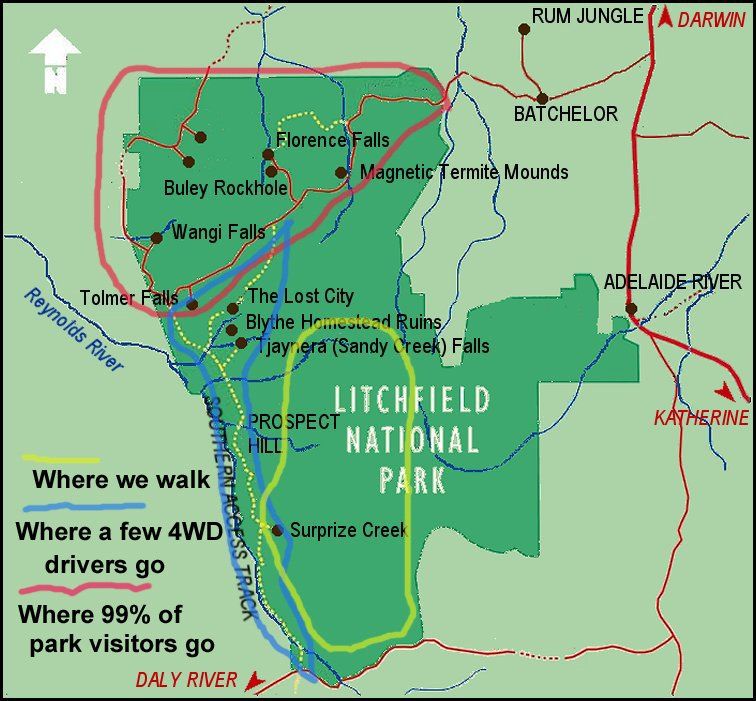
Southern Litchfield, less developed and less well known than the northern half. Our walk takes us north to south across the southern half of the park, visiting a variety of waterfalls, pools and campsites we have all to ourselves along the way.
TOP END
April 26 - May 3 2026
Southern Litchfield
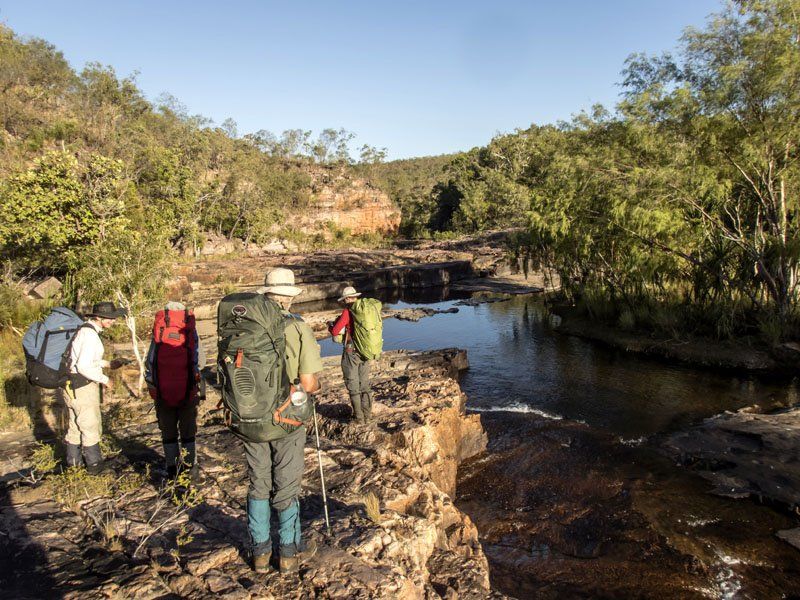
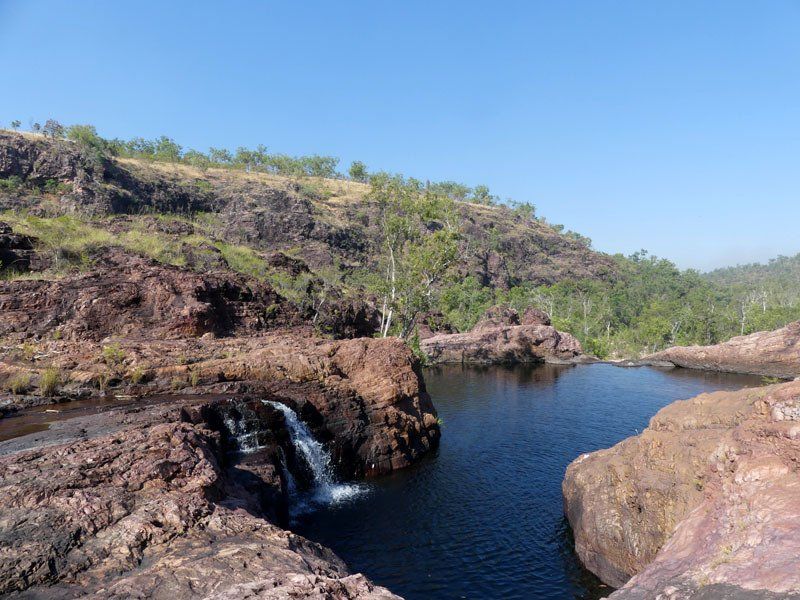
Located less than 150 kilometres from Darwin, Litchfield National Park is a wonderful area full of permanent springs and waterfalls. Although the northern part of the park has been developed for intensive day use, most of the southern part remains an almost untouched wilderness.
We begin near the Lost City, or if the 4WD track to Tjaynera Falls opens early, we cut a few km off the first day’s walk and begin from there. In either case, we camp at a beautiful spot not far above the main falls.
It’s such a magnificent spot that we’ll stop there no matter how early we arrive.
The serious walk begins the next morning as we do a short climb and head south toward a tributary of the East Reynolds. Some groups get there by lunch, but it’s such a nice spot that we stop for the day.
From there, we continue south, crossing the main branch of the East Reynolds. Crossing will almost certainly require a wade. The next stretch is one of the driest of the trip so we will need to carry enough water to get us to camp that evening.
From there, we continue south, crossing the main branch of the East Reynolds. Crossing will almost certainly require a wade. The next stretch is one of the driest of the trip so we will need to carry enough water to get us to camp that evening.
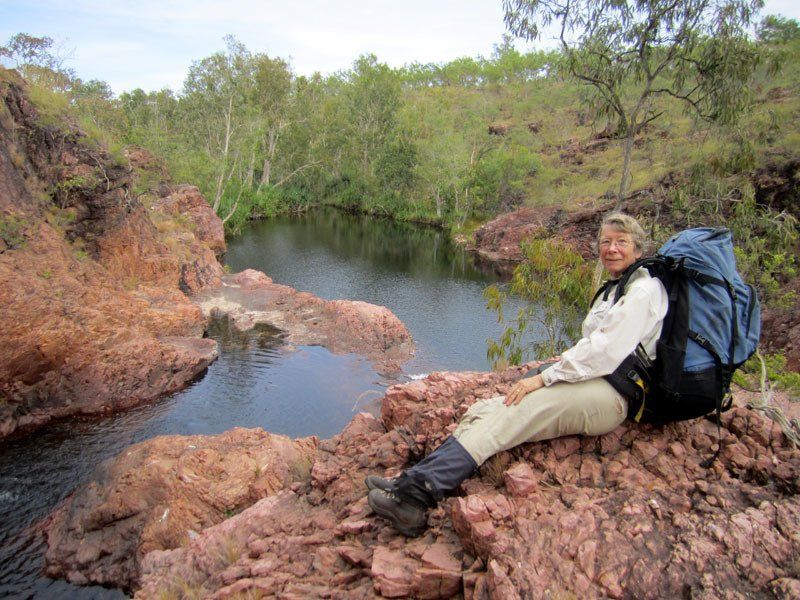
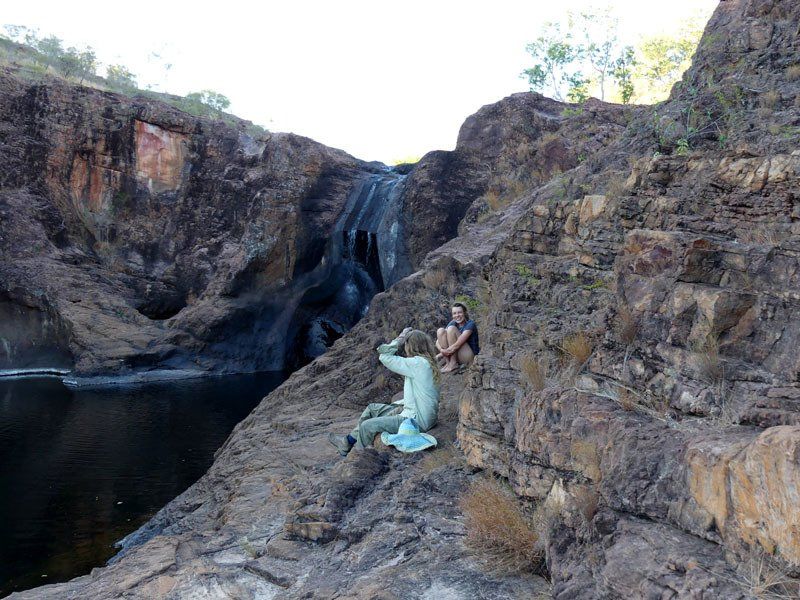
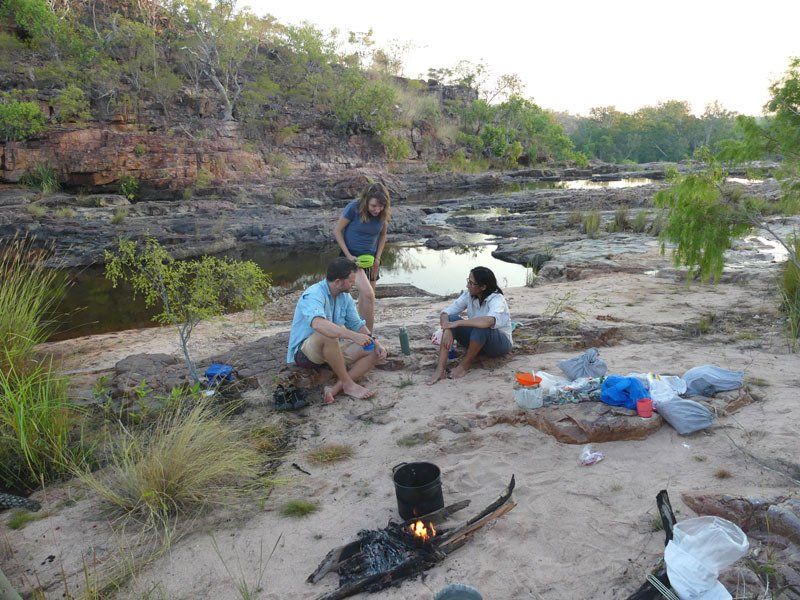
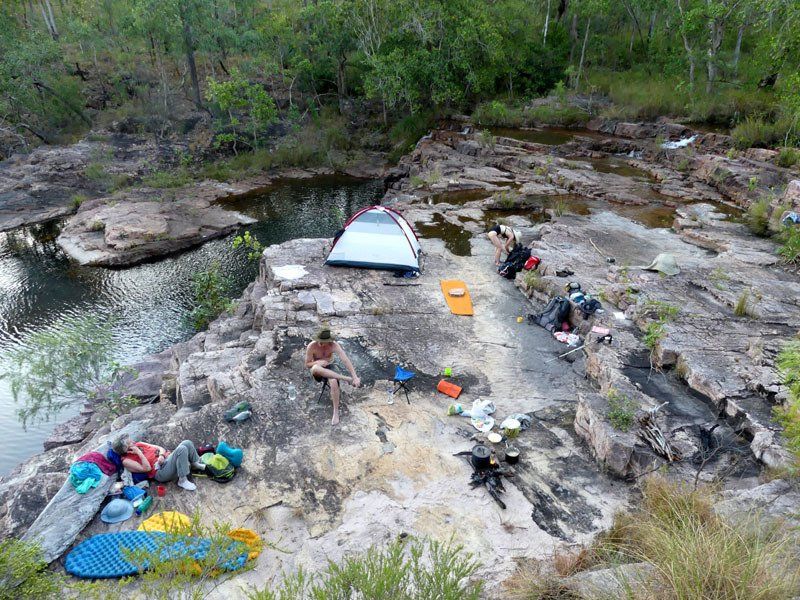
Our normal camp is in a large area where you have the choice of camping on sand or on rock. Plenty of pools and cascades for a swim.
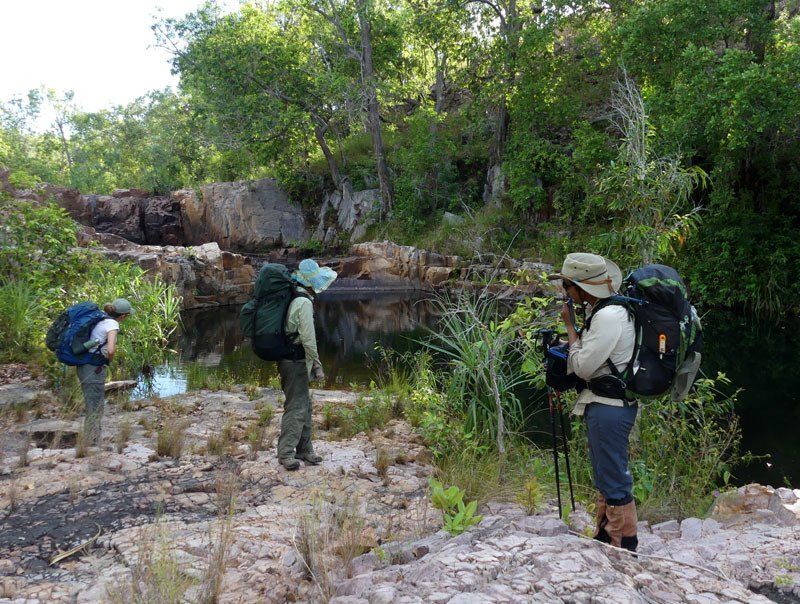
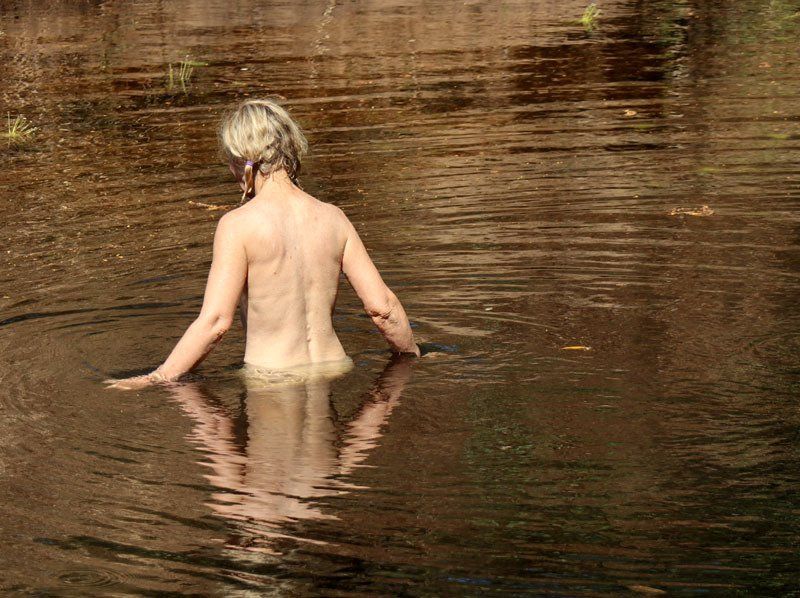
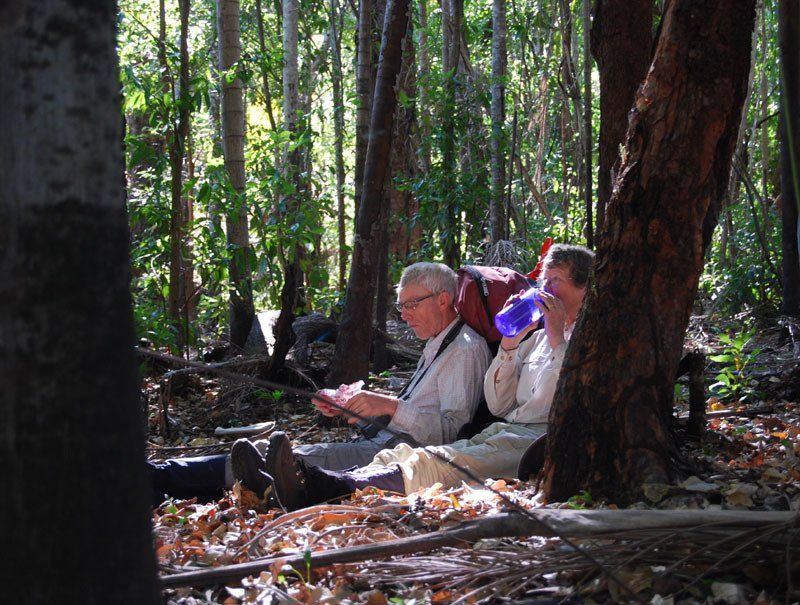
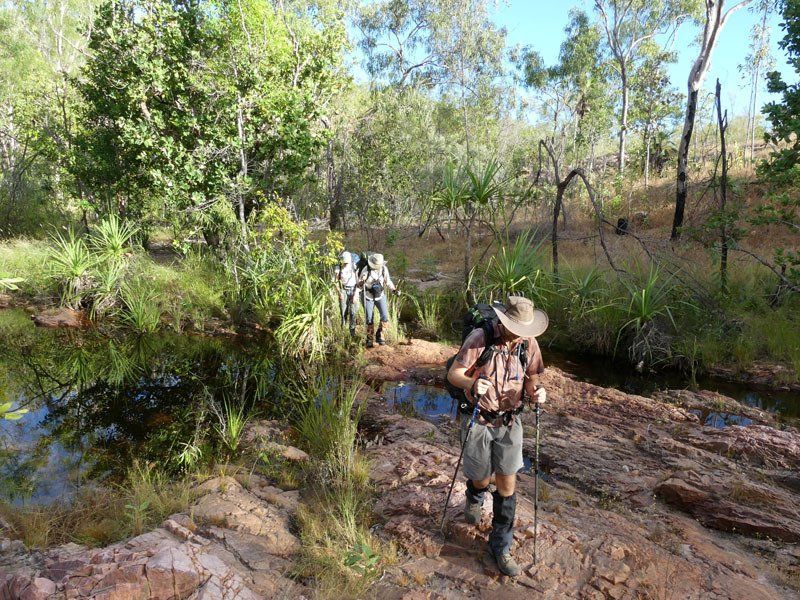
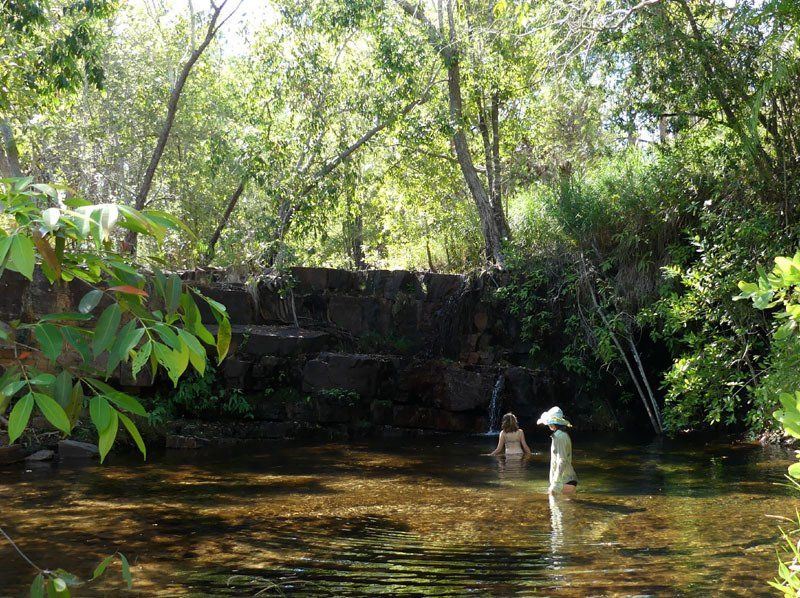
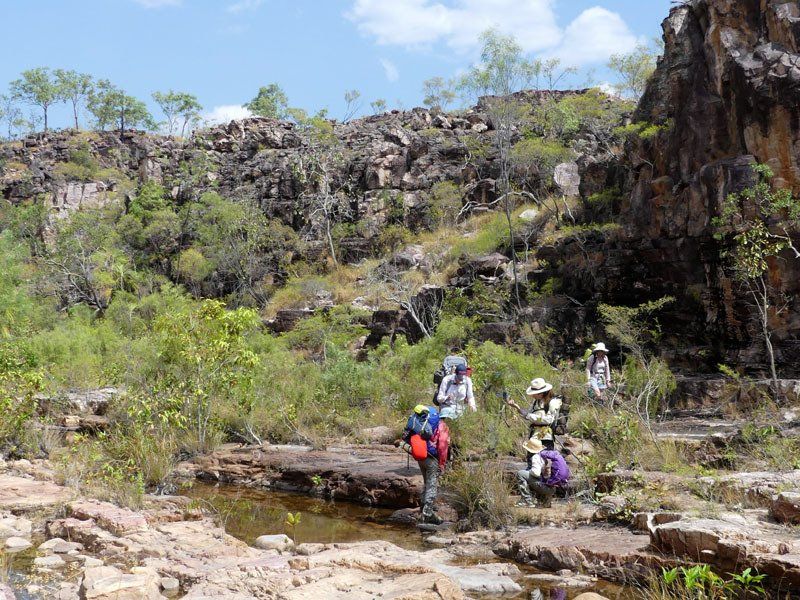
There are a number of ups and downs as we make our way from one creek to the next. We walk through gorges, patches of monsoon forest and open woodland. Swims are frequent as we stop to enjoy the many pools we find along the way.
Finally there is Tableland Creek, the largest creek in the southern part of the park.
There are a number of ups and downs as we make our way from one creek to the next. We walk through gorges, patches of monsoon forest and open woodland. Swims are frequent as we stop to enjoy the many pools we find along the way.
Finally there is Tableland Creek, the largest creek in the southern part of the park.
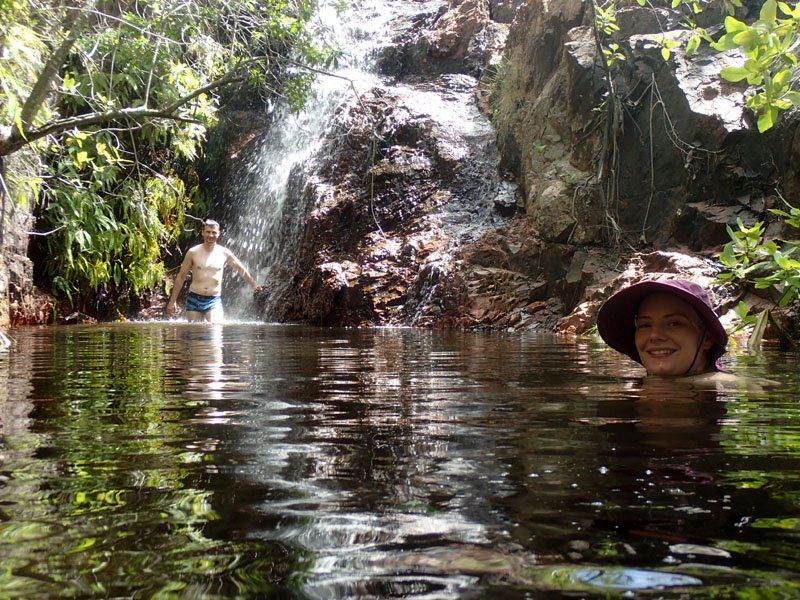
Pool after pool, waterfall after waterfall, swim after swim, it is a magic spot.
Most of the walking is fairly easy but there are likely to be a couple of ups and downs along the way. From our final camp, it is only about an hour to where we meet the vehicle.
The drive back to Darwin takes a bit over two hours ncluding a stop for cold drinks along the way.
Details
DATES
26 April - 3 MayPRICES
Full price: A$3195
*discounts available
GROUP SIZE
4 - 12 guests
CAMP SITES
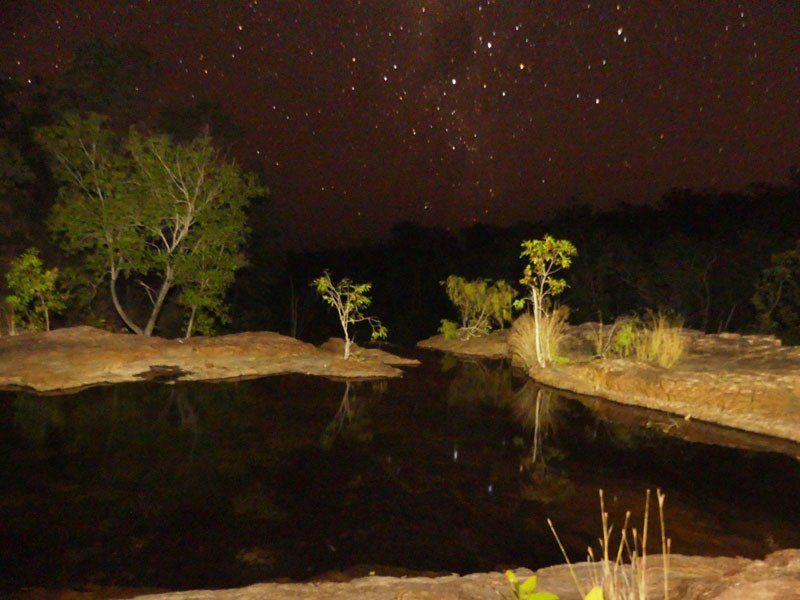
Mix of sand, grassy areas and rock ledges. Most sites are good; some are excellent, some may be no more than average. You are unlikely to see anyone else at any of the campsites.
ART
We may visit some art sites but the art we have found previously has not been as plentiful or as well preserved as much of what we have found in Kakadu and parts of the Kimberley.
SWIMMING
Good pools at most campsites and lunch spots in Litchfield.
WILDLIFE
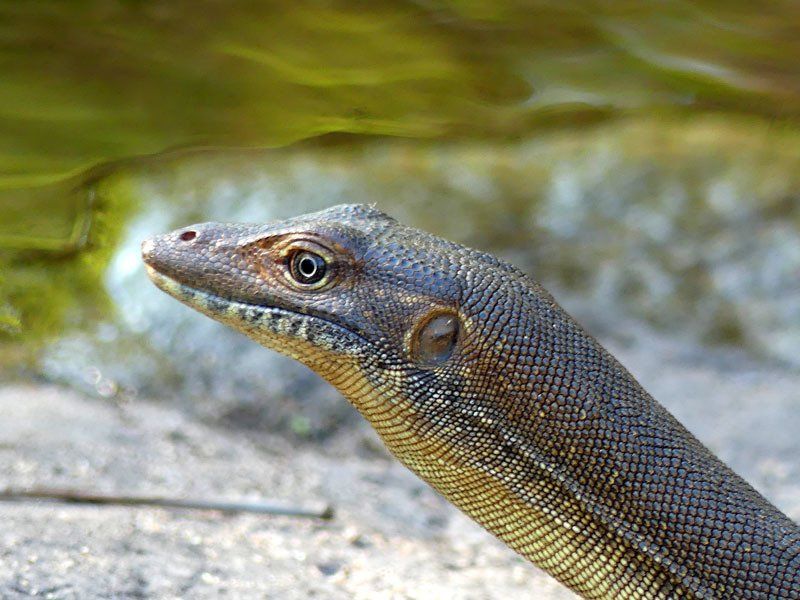
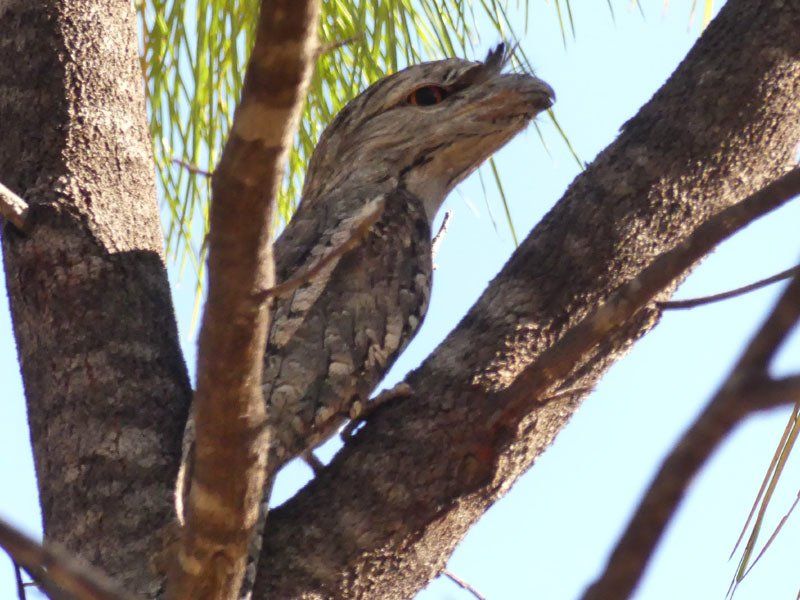
Birds are always present but spread out at this time of year. You are unlikely to see many large animals.
CLIMATE
Average daytime max 32ºC, average nighttime min 17-20ºC. It can, however, drop below 10ºC. Generally low humidity. Rain is unlikely but possible. We recommend that you bring a tent or mosquito net with a fly or at least a plastic sheet for shelter if we do get an unseasonal rain.
COOKING
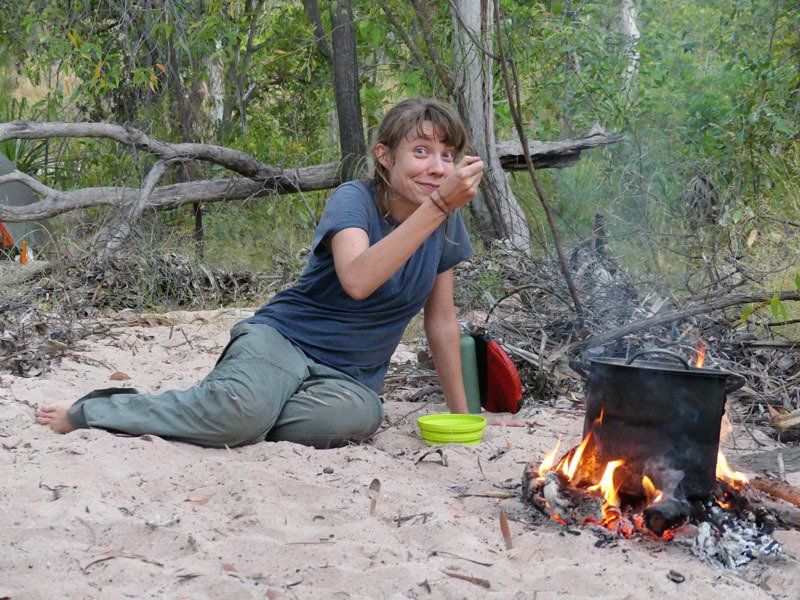
We will have campfires every night and hot water available every morning.
WALK RATING - MODERATE
Terrain
Most of the walk is relatively flat. There are, however, a few moderate climbs and a fair amount of rock hopping. There may be sections of thick scrub. We cannot say for sure as this depends how recently the area has been burnt and on how much rain there has been since.
Vegetation
Varies from year to year depending on when last burnt. In April-May, most of the spear grass has finished seeding and dried out. Based on past experience, we expect some sections of thick scrub and or spinifex which will make some days much harder than others. There are always flowers in bloom.
Distance
4-6 hours per day. A few days might be longer.
Pack Weight
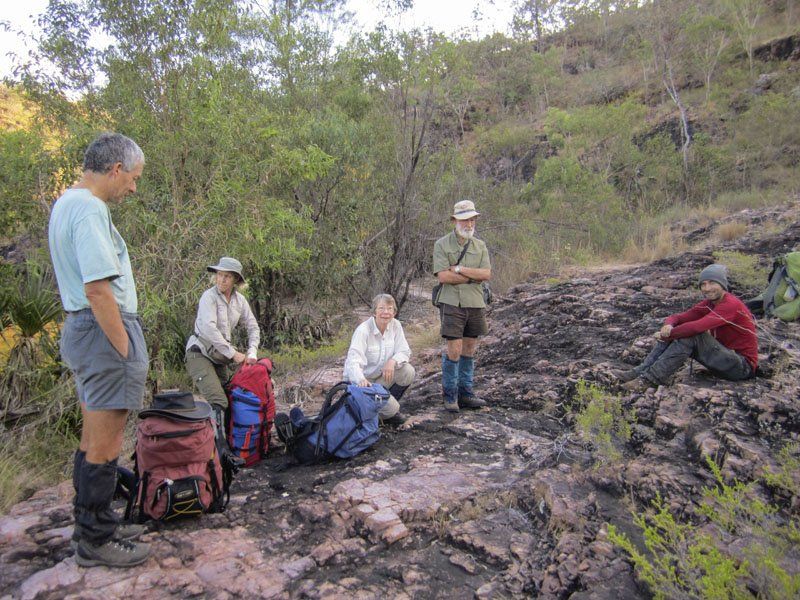
You need to carry 7 days food. You need a light sleeping bag. We recommend a tent or mosquito net with a fly or plastic cover.
Itinerary
*This itinerary is subject to change
You need to click view more to see all the photos in the gallery below.
View more